cpt code for ct guided kidney biopsy
CT-guided kidney biopsies necessitate precise CPT coding, notably 88172, alongside awareness of NDIS rates (0․90) and potential interactions with therapies․
What is a CT-Guided Kidney Biopsy?
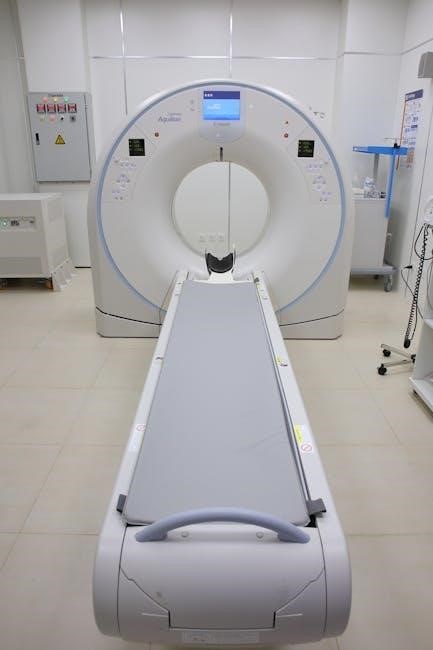
CT-guided kidney biopsy is a procedure where a small tissue sample is extracted from the kidney using a needle, guided by computed tomography (CT) imaging․ This diagnostic tool is crucial for evaluating various kidney diseases, including those related to chronic kidney disease and conditions like Fabry disease, where kidney involvement is a key concern․
The CT scan provides real-time visualization, ensuring accurate needle placement and minimizing risks․ This technique allows physicians to assess kidney structure and identify areas of potential abnormality․ Proper coding, often utilizing CPT code 88172, is essential for accurate billing and reimbursement, reflecting the complexity and precision involved in this procedure․ Understanding the nuances of this code is vital for healthcare professionals․
Why Accurate CPT Coding Matters for Kidney Biopsies
Accurate CPT coding for kidney biopsies, particularly utilizing CPT code 88172, is paramount for several reasons․ Correct coding ensures appropriate reimbursement from payers, reflecting the skill and resources required for this intricate procedure․ Miscoding can lead to claim denials, audits, and potential legal ramifications․
Furthermore, precise coding supports data collection for tracking disease prevalence and treatment outcomes․ The NDIS rate for kidney biopsies is notably high (0․90), highlighting the procedure’s clinical significance․ Accurate documentation, alongside the correct CPT code, is crucial, especially when considering potential interactions with herbal or other therapies․ Proper coding also facilitates accurate statistical analysis and resource allocation within healthcare systems․

Understanding CPT Codes for Kidney Biopsies
CPT code 88172 is central to billing for CT-guided kidney biopsies, but modifiers like +59 may apply depending on multiple procedures performed simultaneously․
CPT Code 88172: The Primary Code
CPT code 88172 represents the core procedure for a percutaneous kidney biopsy utilizing image guidance, specifically a CT scan․ This code encompasses the entire process, from initial needle placement guided by the CT imaging to the acquisition of kidney tissue samples for pathological examination․ It’s crucial to understand that 88172 isn’t simply for the CT scan itself; the scan is integral to guiding the biopsy․
The highest NDIS rate observed (0․90) correlates with kidney biopsies, highlighting the frequency and importance of accurate coding for this procedure․ Appropriate application of 88172 requires meticulous documentation detailing the CT guidance and the biopsy itself․ Consideration must be given to whether the biopsy is initial or a subsequent procedure, potentially influencing modifier usage․ Furthermore, understanding potential clinically significant interactions, including those from herbal therapies, is vital for comprehensive patient care and accurate billing․
When to Use Modifier +59 with 88172
Modifier +59, indicating distinct procedural services, is crucial when multiple procedures are performed during the same session involving CPT code 88172․ This often arises when a kidney biopsy is repeated on a different pole of the kidney, or if an additional, separate biopsy is taken from a distinct location․ Simply put, if the biopsies aren’t identical in terms of location or target, +59 is likely necessary․
Accurate application avoids claim denials and ensures appropriate reimbursement․ Documentation must clearly delineate why the +59 modifier is warranted, specifying the distinct nature of each biopsy․ Remember, the high NDIS rate for kidney biopsies (0․90) emphasizes the need for precise coding․ Failing to use +59 when appropriate can lead to underpayment, while incorrect application can trigger audits․ Thorough documentation is key to supporting the use of this modifier․
Distinguishing Between Initial and Subsequent Biopsies
CPT code 88172 generally covers the initial CT-guided kidney biopsy․ However, determining whether a repeat procedure qualifies as “subsequent” requires careful consideration․ A truly subsequent biopsy involves a new or worsening condition requiring further evaluation, not simply a repeat of the initial assessment․ Documentation must clearly demonstrate clinical justification for the repeat procedure․
If the repeat biopsy targets a different area of the kidney, or investigates a new clinical concern, it may warrant a separate code with modifier +59․ The high NDIS rate (0․90) for kidney biopsies underscores the importance of accurate coding; Simply retaking samples from the same location doesn’t automatically qualify as a distinct, billable service․ Precise clinical documentation is paramount to support the medical necessity of any subsequent biopsy․

Detailed Breakdown of CPT Code 88172
CPT 88172 encompasses the entire procedure, including CT imaging guidance, needle placement, specimen retrieval, and initial pathological assessment for kidney biopsies․
Components Included in CPT Code 88172
CPT code 88172 represents a comprehensive procedural package for a CT-guided kidney biopsy․ This includes all aspects of the intervention, starting with pre-procedural imaging utilizing the CT scan for precise localization of the kidney and targeted lesion․ The code covers the actual needle insertion, guided by real-time CT visualization, to obtain adequate tissue samples․
Furthermore, 88172 incorporates the radiologist’s time for image interpretation and guidance during the biopsy itself․ It also accounts for post-procedural imaging to assess for any immediate complications, such as bleeding․ Crucially, the initial pathological examination of the obtained tissue is bundled within this code, representing the first step in diagnosis․ However, separate codes apply for more extensive pathology services beyond this initial assessment․
Imaging Guidance: The Role of CT Scan
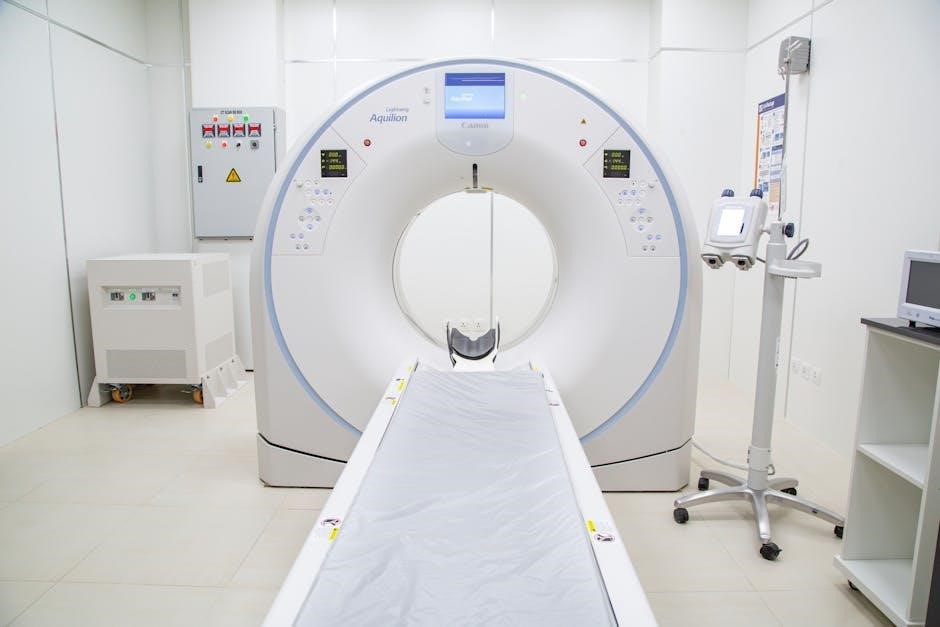
CT scanning is integral to a successful and safe CT-guided kidney biopsy, directly influencing accurate CPT code 88172 application․ The CT provides real-time visualization, enabling precise needle placement within the kidney, avoiding vital structures and maximizing diagnostic yield․ Pre-biopsy CT imaging identifies optimal access routes and characterizes the lesion’s location, size, and relationship to surrounding anatomy․
During the procedure, continuous CT guidance ensures the needle remains within the target area throughout sample acquisition․ Post-biopsy CT scans assess for immediate complications like hematoma or bleeding․ The quality of the CT imaging directly impacts biopsy adequacy; clear visualization is paramount․ Without appropriate CT guidance, the procedure’s safety and diagnostic accuracy are compromised, potentially leading to incorrect coding or failed biopsies․
Biopsy Adequacy and Code Selection
CPT code 88172 selection hinges on obtaining an adequate kidney biopsy specimen․ “Adequacy” signifies sufficient tissue for accurate pathological diagnosis, influencing treatment decisions․ Insufficient samples may necessitate repeat biopsies, potentially requiring a second 88172 coding with appropriate modifiers, like +59 if performed on a different day․
Pathologists assess adequacy based on glomeruli count and tissue representation․ Factors impacting adequacy include lesion size, sampling technique, and CT guidance quality․ If initial biopsies are non-diagnostic due to inadequacy, documentation must clearly reflect this, justifying potential repeat procedures and associated coding․ Proper documentation supports medical necessity and accurate billing, especially considering the high NDIS rate (0․90) associated with kidney biopsies․

Related CPT Codes & Considerations
CPT 88172 differs for distant sites; pathology services are billed separately․ Consider ICD-10 codes for chronic kidney disease or injury alongside biopsy coding․
CPT Codes for Renal Biopsies from Distant Sites
When a renal biopsy is performed utilizing CT guidance but originates from a site distant from the primary kidney location, careful consideration of appropriate CPT coding is crucial․ While CPT code 88172 remains a foundational element for the procedure itself, modifiers or alternative codes may be necessary to accurately reflect the complexity and anatomical challenges presented by biopsies from these atypical locations․
Documentation must clearly delineate the precise origin of the biopsied tissue․ This detailed reporting is essential for justifying the selected code and ensuring appropriate reimbursement․ The nuances of distant site biopsies often involve increased technical difficulty and potentially extended procedural times, factors that should be reflected in the coding process․ Accurate coding prevents claim denials and ensures appropriate financial recognition for the services rendered․
CPT Codes for Pathology Services (Separate from Biopsy)
Pathology services integral to a CT-guided kidney biopsy, such as microscopic examination and interpretation, are reported using separate CPT codes distinct from 88172․ These codes fall within the pathology section of the CPT manual and reflect the specific services provided by the pathologist․ A formal clinical request and a written pathology report are key elements for intraoperative consultations․
Codes will vary based on the complexity of the analysis, including the number of blocks examined and any special stains performed․ Accurate pathology coding is vital for complete billing and reflects the pathologist’s expertise․ It’s crucial to ensure proper documentation supports the pathology services rendered, detailing the procedures and findings․ This separation ensures appropriate reimbursement for both the interventional radiologist and the pathologist․
ICD-10 Codes Commonly Associated with Kidney Biopsies
Selecting appropriate ICD-10 codes is crucial when billing for a CT-guided kidney biopsy, aligning with the clinical indication․ Common codes include those for chronic kidney disease (CKD), kidney injury, and specific glomerular diseases․ For instances like Fabry disease, codes representing the underlying metabolic disorder are essential․ Accurate coding reflects the patient’s diagnosis and justifies the medical necessity of the biopsy․
Documentation should clearly support the chosen ICD-10 code(s), detailing the patient’s symptoms, relevant history, and clinical findings․ Linking the ICD-10 code to the CPT code 88172 ensures a complete and accurate claim submission․ Proper code assignment is vital for avoiding claim denials and maximizing appropriate reimbursement for the provided services․

Specific Clinical Scenarios & Coding
CPT 88172 coding varies based on clinical context; Fabry disease, chronic kidney disease, or kidney injury each require specific diagnostic considerations․
Coding for Kidney Biopsy in Fabry Disease
CPT code 88172 is the primary code utilized for a CT-guided kidney biopsy performed to evaluate suspected Fabry disease․ This genetic disorder causes glycolipid accumulation within kidney cells, necessitating biopsy for diagnosis and assessment of disease progression․ Accurate coding reflects the complexity of evaluating kidney involvement․
When billing, ensure appropriate documentation supports the medical necessity of the biopsy in relation to the patient’s Fabry disease presentation․ Consider any additional imaging or procedures performed during the same encounter, potentially requiring modifier +59 if distinctly separate․ Remember that pathology services are billed separately, not included within CPT 88172․ Thorough documentation is crucial for successful reimbursement, aligning with established guidelines and clinical findings․
Coding for Biopsies Related to Chronic Kidney Disease
CPT code 88172 accurately represents a CT-guided kidney biopsy performed to investigate the etiology and progression of chronic kidney disease (CKD)․ Biopsies help determine the specific type of glomerular disease, assess the degree of interstitial fibrosis, and guide treatment decisions․ Proper coding is vital for reflecting the diagnostic value of the procedure in CKD management․
Documentation should clearly articulate the clinical indication for the biopsy within the context of the patient’s CKD․ If multiple biopsies are performed during the same session, modifier +59 may be applicable․ Remember to separately bill pathology services․ Accurate coding ensures appropriate reimbursement and supports data collection for research into CKD and its management strategies․
Coding for Biopsies to Evaluate Kidney Injury
When a CT-guided kidney biopsy (CPT code 88172) is performed to evaluate kidney injury, precise documentation of the injury’s cause is crucial․ This includes acute tubular necrosis, glomerulonephritis, or other forms of nephropathy․ The biopsy aids in differentiating between prerenal, intrinsic renal, and postrenal causes of acute kidney injury․
Coding should reflect the diagnostic intent – determining the specific pathology driving the kidney injury․ Consider potential clinically significant interactions if the patient is undergoing herbal or other therapies․ Accurate coding supports appropriate reimbursement and contributes to data analysis regarding the incidence and causes of kidney injury, ultimately improving patient care and outcomes․

Billing and Reimbursement Aspects
CPT code 88172 for CT-guided kidney biopsies exhibits a high NDIS rate (0․90), demanding meticulous documentation to support claims and ensure proper reimbursement․
NDIS Rates and Kidney Biopsies
The National Drug Indexing System (NDIS) rate for kidney biopsies, specifically those utilizing CPT code 88172, is notably high, registering at 0․90․ This signifies a substantial proportion of claims being successfully processed and reimbursed․ Understanding this rate is crucial for healthcare providers and billing departments as it indicates a generally favorable reimbursement landscape for this procedure․
However, a high NDIS rate doesn’t guarantee automatic approval․ Accurate and comprehensive documentation remains paramount․ Providers must meticulously detail the clinical indications for the biopsy, the imaging guidance utilized (CT scan in this case), and any complexities encountered during the procedure․ Furthermore, awareness of potential clinically significant interactions, including those involving herbal and other therapies, is essential for complete and defensible billing practices․ Proper coding and documentation directly impact reimbursement success․
Potential for Clinically Significant Interactions (Herbal & Other Therapies)
When billing for a CT-guided kidney biopsy (CPT code 88172), it’s vital to consider potential interactions between conventional medical treatments and complementary therapies․ Patients may be concurrently using herbal remedies or alternative medications that could affect kidney function or influence biopsy results․
These interactions can range from altered drug metabolism to increased risk of bleeding, impacting procedure safety and interpretation․ Thorough patient history taking is crucial, specifically inquiring about all supplements and alternative treatments․ Documentation should explicitly address whether any such interactions were identified and how they were managed․ Failure to acknowledge these possibilities could lead to claim denials or, more importantly, compromise patient care․ Accurate coding reflects a holistic understanding of the patient’s health profile․
Documentation Requirements for Accurate Coding
Accurate billing for a CT-guided kidney biopsy, utilizing CPT code 88172, hinges on comprehensive documentation․ The medical record must clearly demonstrate medical necessity, supporting the clinical indication for the procedure․ Detailed imaging reports, specifically the CT scan findings, are essential, alongside the biopsy report itself․
Documentation should specify the location of the biopsy, the number of cores taken, and any complications encountered․ A formal clinical request for pathology services, coupled with a written pathology report, is also required for potential intraoperative consultations․ Precise record-keeping ensures appropriate reimbursement and minimizes audit risk․ Complete and accurate documentation validates the services rendered and supports the assigned CPT code․
Coding Updates and Changes
CPT code 88172 may have new counterparts; staying current with revisions is crucial for accurate kidney biopsy coding and compliant billing practices․
New Counterparts to CPT Code 88172
The medical coding landscape is dynamic, and CPT code 88172, utilized for CT-guided kidney biopsies, isn’t immune to potential updates or the introduction of new, more specific codes․ While currently the primary code, coders must remain vigilant for announcements from the American Medical Association (AMA) regarding revisions or replacements․
These changes often reflect advancements in imaging techniques, biopsy methodologies, or a need for greater granularity in reporting․ Any new counterparts would likely aim to differentiate between varying levels of complexity, anatomical locations within the kidney, or the utilization of specific guidance methods beyond standard CT scanning․
Proactive monitoring of coding resources and attending relevant training sessions are essential to ensure accurate code selection and avoid claim denials․ The possibility of new codes necessitates continuous professional development․
Staying Current with CPT Code Revisions
Maintaining accurate CPT coding for CT-guided kidney biopsies, particularly code 88172, demands continuous professional vigilance․ The AMA releases annual updates, often effective January 1st, impacting procedure coding․ Relying on outdated codebooks can lead to claim denials and compliance issues․
Subscribing to coding newsletters, attending webinars, and utilizing online resources like the AMA website and coding forums are crucial․ The Congressional Research Service (RL33301) provides broader healthcare policy context․ Regularly reviewing coding guidelines and participating in staff training ensures consistent application of the latest revisions․
Furthermore, staying informed about potential changes in reimbursement policies, like NDIS rates, is vital for maximizing appropriate revenue cycle management․ Proactive adaptation is key to navigating the evolving coding landscape․

Resources for CPT Coding Information
CPT coding details, including 88172, are available via the Congressional Research Service (RL33301) and medical coding question examples for enhanced understanding․
Congressional Research Service Order Codes (RL33301)
Congressional Research Service (CRS) Report RL33301 provides valuable context for understanding healthcare coding and reimbursement policies, though it doesn’t directly detail CPT code 88172 for CT-guided kidney biopsies․ However, it offers a broader framework for navigating the complexities of medical billing․
This report examines the legislative and regulatory landscape impacting healthcare finance, which indirectly influences coding practices․ Understanding these overarching policies is crucial for accurate CPT and ICD-10 code assignment․ The report’s insights can aid in interpreting updates and changes to coding guidelines, ensuring compliance and appropriate reimbursement for procedures like kidney biopsies․ It’s a foundational resource for professionals needing a comprehensive view of healthcare funding mechanisms․
Medical Coding Question Examples
Question 1: A patient undergoes a CT-guided kidney biopsy․ Which CPT code is most appropriate? A) 88171 B) 88172 C) 88173 D) 88175․ Answer: B) 88172 is the primary code for this procedure․
Question 2: If a second kidney biopsy is performed on the same patient during the same session, should a modifier be appended? A) No B) +22 C) +59 D) +25․ Answer: C) +59 indicates distinct procedural services․ Accurate coding requires understanding these nuances, especially regarding multiple biopsies․ These examples highlight the importance of precise code selection for CT-guided kidney biopsies, ensuring correct billing and reimbursement․

Future Trends in Kidney Biopsy Coding
CPT code 88172 may evolve with new technologies; reimbursement policies could shift, demanding continuous monitoring of updates and revisions for kidney biopsies․
Impact of New Technologies on CPT Codes
Emerging technologies are poised to significantly influence CPT coding for CT-guided kidney biopsies․ Advancements in imaging, such as improved CT scanners offering higher resolution and reduced radiation exposure, may not immediately necessitate new codes but will likely refine existing procedural definitions within CPT code 88172․

Furthermore, the integration of real-time image guidance systems and robotic assistance during biopsies could eventually warrant distinct CPT codes, particularly if these technologies demonstrably improve accuracy, reduce complications, or alter the scope of the procedure․ The development of novel biopsy devices and techniques, potentially enabling smaller core samples or targeted biopsies of specific kidney lesions, may also drive the need for code revisions․
Staying abreast of these technological advancements and their impact on procedural workflows is crucial for accurate CPT coding and appropriate reimbursement․
Potential Changes in Reimbursement Policies
Reimbursement policies for CT-guided kidney biopsies, currently utilizing CPT code 88172, face potential shifts driven by value-based care and cost containment efforts․ The high NDIS rate (0․90) observed for kidney biopsies may attract scrutiny, prompting payers to explore alternative payment models․
Increased emphasis on diagnostic stewardship could lead to stricter pre-authorization requirements or the implementation of clinical decision support tools to ensure biopsies are medically necessary․ Bundled payment arrangements, encompassing the biopsy procedure, imaging guidance, and pathology services, are also a possibility, potentially impacting individual code reimbursement rates․
Furthermore, the adoption of new technologies, as discussed, could influence reimbursement, with payers potentially offering higher rates for procedures utilizing advanced techniques demonstrating improved outcomes or reduced costs․ Continuous monitoring of payer policies is essential․
Worried about a CT guided kidney biopsy? Dr. Will Hertz explains the procedure, recovery, and what to expect. Get clear answers & feel prepared!