samsung ducted air conditioner manual
Samsung Ducted Air Conditioner Manual: A Comprehensive Guide
This manual provides detailed instructions for installation‚ operation‚ troubleshooting‚ and maintenance of your Samsung ducted air conditioning system‚ ensuring optimal performance and longevity․
Understanding Your Samsung Ducted System
Samsung ducted air conditioning systems offer a centralized cooling and heating solution for your entire home‚ delivering consistent comfort through a network of ducts․ Unlike traditional window units‚ these systems feature an indoor unit connected to an outdoor unit‚ distributing conditioned air via hidden ductwork․
Familiarizing yourself with the core components and operational principles is crucial for efficient use and proactive maintenance․ Understanding how your system functions allows for quick identification of potential issues and informed decisions regarding servicing․ Proper operation‚ guided by this manual‚ maximizes energy efficiency and extends the lifespan of your Samsung HVAC investment․ Regular inspections‚ as outlined later‚ are key to sustained performance․
Components of a Samsung Ducted Air Conditioner
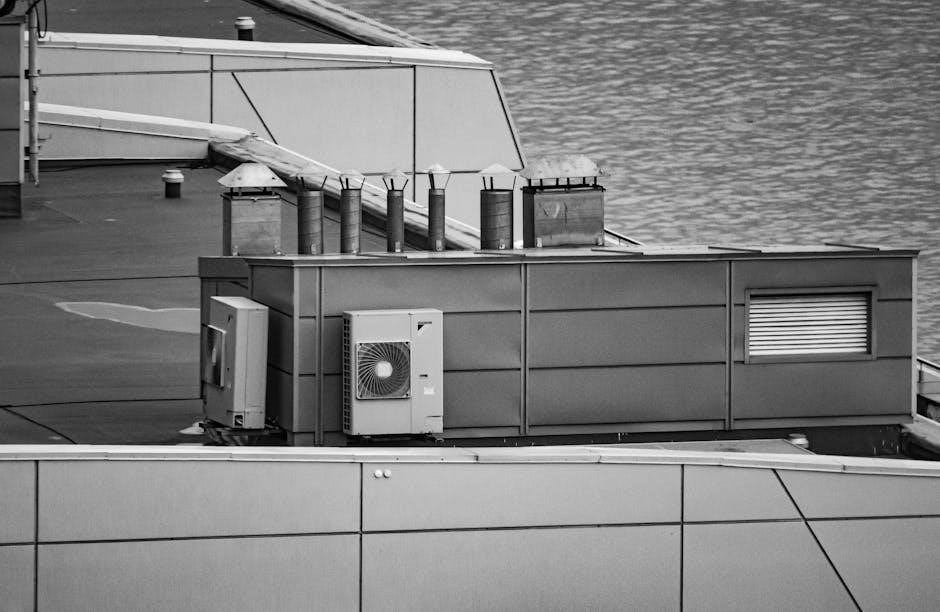
A Samsung ducted system comprises several key components working in harmony․ The indoor unit‚ often a compact air handler‚ circulates conditioned air through the ductwork․ The outdoor unit‚ containing the compressor and condenser‚ rejects heat․ A network of ducts‚ typically made of metal or fiberglass‚ distributes air throughout your home via vents․
Essential controls include a thermostat for temperature regulation and a remote controller for convenient operation․ Refrigerant lines connect the indoor and outdoor units‚ facilitating heat transfer․ Additionally‚ air filters maintain air quality‚ and various sensors monitor system performance․ Understanding each component’s role is vital for effective troubleshooting and maintenance‚ ensuring optimal system functionality and longevity․
Initial System Inspection & Safety Precautions
Before operating your Samsung ducted AC‚ conduct a thorough visual inspection․ Check for any obvious damage to the indoor and outdoor units‚ refrigerant lines‚ and ductwork․ Ensure all access panels are securely fastened․ Verify that the area around the outdoor unit is clear of debris and obstructions‚ allowing for proper airflow․
Safety is paramount․ Always disconnect power before performing any maintenance․ Never attempt to repair electrical components yourself; consult a qualified HVAC technician․ Be cautious of sharp edges and moving parts․ Ensure proper ventilation during operation․ Familiarize yourself with emergency shutdown procedures․ Following these precautions will help prevent accidents and ensure safe operation of your system․
Troubleshooting Common Issues
Addressing typical problems like insufficient cooling‚ unusual noises‚ or the unit failing to start is crucial for maintaining a comfortable and efficient Samsung system․
Uneven Cooling or Insufficient Cooling
Experiencing inconsistent temperatures or a lack of adequate cooling often points to simple‚ resolvable issues within your Samsung ducted system․ Begin by verifying that all supply vents are fully open and unobstructed‚ allowing for proper airflow throughout your home․ A frequently overlooked culprit is a dirty air filter; replace or clean it regularly to ensure efficient operation․
Incorrect thermostat settings can also contribute to this problem – confirm it’s set to ‘cool’ and the desired temperature․ Inspect the ductwork for any visible damage or leaks‚ as these can lead to significant air loss․ If the issue persists‚ consider whether the system is appropriately sized for your space․ A professional HVAC technician can assess these factors and recommend solutions‚ potentially including duct sealing or system adjustments․
Air Conditioner Not Turning On
When your Samsung ducted air conditioner fails to power on‚ a systematic approach to troubleshooting is crucial․ First‚ verify the power supply – check the circuit breaker dedicated to the unit and ensure it hasn’t tripped․ Confirm the thermostat has fresh batteries and is correctly set to ‘cool’ or ‘auto’․ A simple reset can often resolve minor glitches; power off the unit completely for five minutes‚ then restore power․
Inspect the wiring connections between the indoor unit and the remote controller for any looseness or damage․ If these initial steps don’t work‚ there might be an internal electrical issue requiring professional attention․ Do not attempt to repair electrical components yourself; contact a qualified HVAC technician for diagnosis and repair․
Strange Noises During Operation
Unusual sounds emanating from your Samsung ducted air conditioner can indicate various issues․ Rattling noises often suggest loose panels or debris within the ductwork․ Whistling sounds may point to restricted airflow‚ potentially caused by a dirty air filter or blocked vents․ Clicking sounds could stem from relay issues or electrical components․
If you hear grinding or squealing‚ it might indicate a problem with the fan motor or compressor‚ requiring immediate professional attention․ Regularly inspect the outdoor unit for obstructions like leaves or branches․ Ignoring these noises can lead to more significant and costly repairs․ Always prioritize safety and contact a qualified HVAC technician for complex sound-related problems․
Decoding Error Codes
Samsung air conditioners utilize error codes to signal malfunctions; understanding these codes—like Ch or E108—is crucial for efficient troubleshooting and repair processes․
Samsung Air Conditioner Indoor Unit Error Codes (Overview)
Samsung indoor unit error codes are diagnostic tools‚ providing valuable insights into system malfunctions․ These codes‚ displayed on the unit or accessible through the remote controller‚ pinpoint the source of the problem‚ streamlining the troubleshooting process․ Common categories include communication errors (like E108)‚ sensor failures‚ and operational issues․
Codes such as ‘Ch’ indicate a prohibit starting condition‚ often related to the crack case heater․ Understanding the code’s meaning is the first step toward resolution․ A comprehensive list‚ often found in the service manual‚ details each code and potential remedies․ Ignoring these signals can lead to more significant damage and costly repairs․ Regularly checking for error codes during routine maintenance is a proactive approach to system health․
Remember to always consult the official Samsung documentation for the most accurate and up-to-date error code definitions and recommended solutions․
Specific Error Code: Ch (Prohibit Starting)
The “Ch” error code on a Samsung ducted air conditioner signals a “Prohibit Starting” condition‚ typically occurring during the operation of the crack case heater․ This indicates the system is preventing the compressor from initiating to protect itself from potential damage․ Several factors can trigger this code‚ including a faulty crack case heater‚ low refrigerant levels‚ or an issue with the compressor itself․
Initial troubleshooting steps involve verifying the heater’s functionality and checking for refrigerant leaks․ A qualified HVAC technician should inspect the electrical connections and compressor components․ Resetting the unit by powering it off for five minutes might temporarily resolve the issue‚ but the underlying cause requires professional attention․ Ignoring this error can lead to compressor failure and extensive repairs․
Always refer to the Samsung service manual for detailed diagnostic procedures and safety precautions when addressing the “Ch” error․
Specific Error Code: E108 (Communication Error)
The “E108” error code on your Samsung ducted air conditioner signifies a “Communication Error‚” indicating a disruption in the signal exchange between the indoor and outdoor units․ This often stems from issues with the wiring connecting these components‚ or a problem with the control board itself․ Repeated communication failures trigger this error‚ halting system operation to prevent further complications․
Begin troubleshooting by meticulously inspecting the wiring for looseness‚ damage‚ or corrosion․ Power cycling the unit – turning it off for five minutes – can sometimes re-establish communication․ If the error persists‚ carefully examine the connections between the indoor unit and the remote controller․ A qualified HVAC technician may need to diagnose and potentially replace faulty control boards or wiring harnesses․
Consistent “E108” errors require professional intervention to ensure proper system functionality and prevent escalating issues․
Maintenance & Cleaning
Regular cleaning of air filters and consideration of professional duct cleaning are vital for maintaining optimal air quality and system efficiency․
Air Filter Cleaning & Replacement
Maintaining clean air filters is crucial for the efficient operation and air quality of your Samsung ducted air conditioner․ Dirty filters restrict airflow‚ causing the system to work harder‚ reducing cooling capacity‚ and potentially increasing energy consumption․
Cleaning Frequency: Inspect filters monthly‚ and clean or replace them as needed – typically every 1-3 months‚ depending on usage and environmental conditions․ Homes with pets or allergy sufferers may require more frequent filter changes․
Cleaning Procedure: Most Samsung filters are washable․ Remove the filter‚ vacuum off loose dust‚ and then gently wash with mild soap and water․ Ensure the filter is completely dry before reinstalling it to prevent mold growth․
Replacement Filters: When filters become damaged or excessively dirty‚ replacement is necessary․ Use only genuine Samsung replacement filters or equivalent high-quality alternatives to ensure proper fit and performance․ Refer to your system’s model number when purchasing filters․
Duct Cleaning Considerations
While regular air filter maintenance addresses immediate air quality‚ periodic duct cleaning can significantly improve overall system efficiency and indoor air quality within your Samsung ducted system․ Over time‚ dust‚ allergens‚ and debris accumulate inside the ductwork‚ reducing airflow and potentially harboring mold or bacteria․
Professional Cleaning: It’s generally recommended to have your ducts professionally cleaned every 3-5 years‚ or more frequently if you have specific concerns like allergies‚ renovations‚ or pest infestations․
Cleaning Process: Professional duct cleaning typically involves using specialized equipment to dislodge and remove contaminants‚ followed by vacuuming and sanitizing the ductwork․
DIY Caution: Attempting DIY duct cleaning can be challenging and potentially damage the ductwork․ Improper cleaning can also stir up contaminants‚ worsening air quality․ Always prioritize professional services for optimal results and system safety․
Advanced Troubleshooting & Repair
Addressing complex issues requires expertise; sensor failures and wiring problems often necessitate professional HVAC technician intervention for accurate diagnosis and safe repairs․
Sensor Issues & Replacement
Diagnosing sensor malfunctions within your Samsung ducted system is crucial for efficient operation․ If diagnostic tests‚ potentially utilizing Smart Install mode‚ indicate a faulty sensor‚ replacement is often necessary․ Common sensors include temperature sensors‚ which regulate cooling‚ and pressure sensors‚ vital for refrigerant management․
Before attempting replacement‚ always disconnect power to the unit․ Accessing sensors typically involves removing access panels․ Carefully note wiring configurations before disconnecting the old sensor․ Ensure the replacement sensor is a genuine Samsung part to maintain compatibility and performance․
If the error persists post-replacement‚ or you are uncomfortable with this process‚ consult a qualified HVAC technician․ Incorrect sensor installation can lead to further system issues and potential damage․ Airchill AC Maintenance and Duct Cleaning can assist with genuine parts․
Wiring Connection Checks & Resetting the Unit
Addressing electrical issues often begins with a thorough inspection of wiring connections․ Power off the unit completely before commencing any checks․ Examine wiring between the indoor unit‚ outdoor unit‚ and remote controller for looseness‚ corrosion‚ or damage․ Secure any loose connections and replace damaged wires promptly․
A simple reset can often resolve minor operational glitches․ Disconnect power to the unit for approximately five minutes to allow the system to fully discharge․ Reconnect power and observe if the issue is resolved․ This process clears the system’s memory and can correct temporary errors․
If problems persist‚ verify the wiring diagram in your manual․ Incorrect wiring can cause significant damage․ If you are uncomfortable performing these checks‚ contact a qualified HVAC technician for assistance; they can ensure safe and correct reconnection․

Smart Install Mode & Diagnostics
Utilizing Smart Install mode allows users to perform self-diagnostic tests on their Samsung air conditioner‚ identifying potential issues quickly and efficiently for prompt resolution․
Using Smart Install for Diagnostic Tests
Smart Install offers a convenient method for preliminary system checks without requiring specialized tools or a technician’s immediate visit․ To initiate a diagnostic test‚ access the Smart Install function through your Samsung air conditioner’s interface‚ typically via the remote controller or a connected mobile application․
The system will then run a series of automated tests‚ evaluating key components like the compressor‚ fan motors‚ and sensors․ Pay close attention to the displayed error codes or messages‚ as these pinpoint specific areas of concern․
Record any error codes presented during the test; these are crucial for accurate troubleshooting or when contacting Samsung HVAC support․ Remember that Smart Install provides initial insights‚ and complex issues may still necessitate professional assessment and repair․ Always refer to the full error code list within this manual for detailed explanations․
Finding Genuine Samsung Parts & Service
Samsung HVAC provides access to authentic replacement parts and a network of certified service professionals for reliable repairs and continued system performance․
Accessing Samsung HVAC Support & Resources
Samsung offers a comprehensive suite of support resources for ducted air conditioning systems‚ designed to assist both homeowners and qualified technicians․ Their official website provides access to downloadable manuals‚ frequently asked questions‚ and troubleshooting guides‚ empowering users to resolve common issues independently․ For more complex problems‚ Samsung’s dedicated HVAC support team is available via phone or online chat‚ offering expert assistance and guidance․
Furthermore‚ Samsung partners with authorized service providers across the country‚ ensuring convenient access to professional installation‚ repair‚ and maintenance services․ Locating a qualified technician is simplified through the Samsung website’s service locator tool․ Resources like the DVM S Advance service manuals and information from Dallas Web Design Firm (linked on Samsung’s site) also contribute to a robust support ecosystem‚ guaranteeing long-term system reliability and customer satisfaction․
Lost your Samsung ducted AC manual? Find easy-to-download PDFs for all Australian models at Will Hertz! Get troubleshooting tips & keep your system cool.