grammar in use book pdf

Overview of Grammar in Use PDF
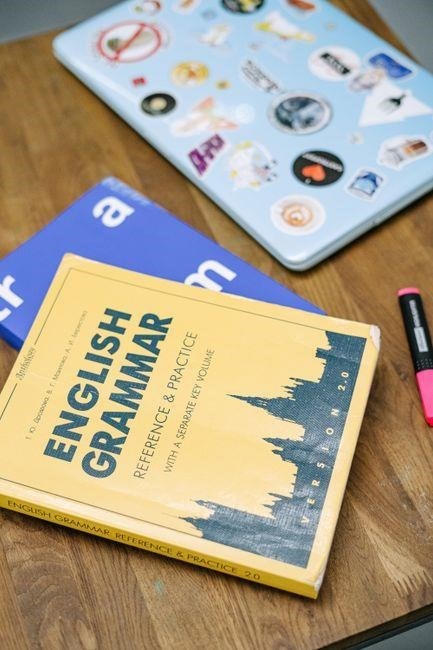
Grammar in Use PDF offers a compact, portable version of the classic resource, enabling learners to study on the go․ Its clear layout, concise explanations, and integrated exercises make it ideal for self‑study and classroom use alike․Students and teachers appreciate its portabilityability to annotate directly․

What is Grammar in Use?

Grammar in Use is a foundational English‑language reference designed for intermediate learners and teachers․ Authored by Raymond Murphy and released in 1995, it has become a staple in classrooms worldwide․ The book is structured around clear, concise explanations of grammatical forms, followed by targeted practice exercises that reinforce understanding․ Its dual‑column layout places a concise rule on the left and a series of examples on the right, allowing students to see theory in context․ The progression moves from basic verb tenses to more complex structures such as conditionals, reported speech, and passive voice․ Each unit ends with a summary that highlights key points and common pitfalls․ The book’s approachable tone and practical focus make it suitable for self‑study, homework assignments, and in‑class review․ Its widespread use has led to a wealth of supplementary materials, including teacher’s guides, answer keys, and online resources that complement the core text․ Whether used as a primary textbook or a reference companion, Grammar in Use remains a trusted tool for mastering English grammar․
Since its first edition, Grammar in Use has been updated to reflect contemporary usage, with newer releases offering revised explanations, additional examples, and a digital companion that allows learners to practice on tablets or laptops․ The book’s clear layout, consistent terminology, and focus on communicative competence have made it a favorite among teachers preparing students for exams such as IELTS, TOEFL, and Cambridge assessments․ globally!?!
Grammar in Use PDF is a compact, portable version of the classic reference, enabling learners to study on the go․ Its clear layout, concise explanations, and integrated exercises make it ideal for self‑study and classroom use alike․ Students and teachers appreciate its portabilityability to annotate directly․

Legal and Ethical Access
Accessing Grammar in Use PDF responsibly requires respecting copyright laws․ Obtain copies through authorized distributors or library services, ensuring the material is licensed for educational use․ Avoid unauthorized downloads to protect authors and publishers․ All rights․!!
Copyright Status
Grammar in Use is a widely used textbook published by Cambridge University Press; The PDF edition is protected under international copyright law, which grants the publisher exclusive rights to reproduce, distribute, and modify the work․ In most jurisdictions, the text remains in copyright for the life of the author plus 70 years, or, for works created by corporate entities, a fixed number of years after publication․ Because the book was first released in the early 1990s, it is still under copyright protection․ Unauthorized duplication or distribution of the PDF is illegal and can lead to civil penalties or criminal charges․ However, certain uses may fall under the doctrine of fair use or fair dealing, such as short excerpts for criticism, review, or educational purposes, provided they do not harm the market value of the original․ Many educational institutions have licenses that allow students and faculty to access the PDF for non‑commercial, instructional use; Additionally, the publisher offers a legitimate digital version through official platforms, which includes features like searchability, annotations, and accessibility tools․ When using the PDF, it is essential to verify that the source is authorized, that any shared copies are within the limits set by the license, and that the material is not used for commercial gain․ By respecting these legal boundaries, users can enjoy the benefits of the Grammar in Use PDF while supporting the authors and publishers who invest in high‑quality educational resources․ These resources empower learners worldwide․ Explore more, learn!!․
Safe Download Practices
When seeking a PDF of Grammar in Use, begin by checking the publisher’s official digital store or reputable academic platforms that offer licensed copies․ These sources ensure the file is authentic, free of malware, and legally compliant․ If you opt for a free download, verify that the site uses HTTPS and displays a valid security certificate; avoid sites that prompt for unnecessary downloads or pop‑ups․ Look for user reviews or ratings that confirm the file’s integrity․ Once you have a trustworthy source, download the PDF to a secure location on your device․ Scan the file with up-to-date antivirus software before opening it, and keep your operating system and security tools refreshed․ If the PDF contains embedded scripts or macros, disable them in your reader’s settings to prevent potential exploits․ Finally, respect the copyright terms: use the file for personal study or classroom instruction only, and refrain from sharing or distributing it without explicit permission․ By following these steps, you protect both your device and the legal rights of the content creators․ Keep your PDF reader updated to patch security flaws․ Use a trusted viewer that disables JavaScript by default․ If a file behaves oddly—unexpected pop‑ups or network activity—terminate it and scan again․ Test unknown PDFs in a sandbox or virtual machine to isolate risks․ Stay alert to security advisories from reader developers․ By layering defenses, you can safely use Grammar in Use PDFs․ These precautions help keep data secure ensuring privacy preventing breaches now

Features and Functionality of the PDF
Interactive PDFs let users click on grammar points to reveal explanations, use built‑in quizzes, and highlight text․ Search and bookmark features allow quick navigation, while accessibility options support screen readers and adjustable fonts․ These tools enhance learning efficiency Bookmark for quick jumps․
Interactive Elements
Grammar in Use PDFs are engineered to transform passive reading into active engagement․ By embedding hyperlinks, users can instantly jump from a rule to contextual examples, reducing cognitive load and reinforcing understanding․ Clickable glossaries reveal concise definitions, while embedded audio clips allow learners to hear native pronunciation, bridging the gap between written and spoken language․
Beyond static text, the PDF incorporates dynamic quizzes that auto‑grade responses․ These interactive assessments provide immediate feedback, letting students identify misconceptions in real time․ The design also supports drag‑and‑drop activities, where learners match verb forms to sentences, fostering kinesthetic learning․ Each exercise is linked to a solution page, ensuring that users can review correct answers without searching external resources․

For educators, the interactive layer offers a versatile teaching aid․ Instructors can embed custom annotations, highlight key points, and annotate student submissions directly within the document․ The PDF’s compatibility with annotation tools means that feedback can be delivered in a single, cohesive file, streamlining the revision process․ Moreover, the interactive elements are fully searchable, allowing quick retrieval of specific grammar topics across the entire workbook․
Students can adjust font size, contrast, and zoom levels, ensuring the PDF remains readable for all․ Screen‑reader support makes the resource accessible for visually impaired learners․
Search and Bookmarking
Grammar in Use PDFs give users powerful search tools that scan the entire document for keywords, phrases, or grammatical patterns․ The search bar is context‑sensitive, offering suggestions as you type and highlighting all matches in real time, making it easy to revisit complex rules or locate the exact exercise that illustrates a particular tense․ Bookmarking is seamlessly integrated, allowing learners to mark pages or sections for quick reference․ Users can create custom labels, such as “Past Tense Review” or “Common Errors,” and the PDF will display a sidebar with all bookmarks, enabling instant navigation without scrolling․ Bookmark links persist across devices, so a note added on a laptop will appear unchanged on a tablet․ Advanced search options let you toggle between case‑sensitive and whole‑word searches, filter by chapter, or exclude certain sections․ Combined with the bookmarking system, this creates a highly personalized study map, where each bookmarked segment can be revisited in a logical sequence․ For educators, the ability to share a bookmarked PDF means that lesson plans can be distributed with precise reference points․ Export bookmarks, ensuring that key points are preserved beyond the PDF․ The search history logs every query, allowing learners to track progress over time․ When collaborating, multiple users can share a single PDF with synchronized bookmarks, group study sessions․ The combination of robust search and flexible bookmarking makes the Grammar in Use PDF a powerful companion for both individual and classroom learning․ It streamlines study sessions․ This integrated feature streamlines study sessions and enhances retention across all levels․

Accessibility Options
Grammar in Use PDFs are engineered to support learners with diverse needs․ The document is fully tagged, enabling screen readers to interpret headings, lists, and tables in a logical order․ Text can be resized without loss of formatting, allowing users to increase font size up to 200% while maintaining line breaks and spacing․ High‑contrast mode is built into the PDF viewer, converting standard colors to black‑on‑white or white‑on‑black schemes that reduce visual strain․ Users can also toggle a grayscale option for a more subdued palette․ Embedded captions accompany all images, and alt‑text descriptions provide context for visual learners․ The PDF supports text‑to‑speech engines; by selecting a paragraph, the reader can be read aloud in multiple languages, with adjustable speed and pitch․ Interactive form fields are accessible via keyboard navigation, and all interactive elements have descriptive labels․ For those with motor impairments, the PDF allows the use of external adaptive devices such as switch‑control or eye‑tracking systems․ The bookmark system is fully navigable by screen readers, and users can create custom bookmarks that are announced when activated․ Additionally, the PDF includes a metadata section that lists language, author, and accessibility features, enabling assistive software to quickly assess compatibility․ These options ensure that Grammar in Use remains an inclusive resource for every learner․

Practical Usage Tips
Use the PDF’s bookmarks to jump between units, highlight key points, and annotate directly․ Pair each exercise with a spoken review to reinforce pronunciation․ Schedule short, focused sessions to maintain momentum and track progress․ Remember to review summaries to cement learning․
Study Strategies
When working with the Grammar in Use PDF, start each session by skimming the unit’s objectives and key points․ Read the explanations carefully, pausing to note unfamiliar terms․ Highlight essential rules and examples directly in the PDF․ After reading, tackle the exercises immediately to reinforce comprehension before the material fades․ Write out each answer in a separate notebook or digital document, then compare it to the PDF’s solutions․ If discrepancies arise, revisit the relevant section and clarify the rule in your own words․ Incorporate spaced repetition by revisiting earlier units after completing new ones․ Create flashcards for tricky verb forms or prepositions, and schedule weekly reviews to keep them fresh․ Pair this with audio recordings of the PDF’s examples, listening while following along to improve pronunciation and intonation․ To deepen retention, teach a concept to a peer or even to yourself aloud․ Explaining the rule forces you to organize your thoughts and spot gaps in understanding․ Finally, set measurable goals—such as mastering a set of 20 grammar points per month—and track progress with a simple spreadsheet or habit‑tracking app․ Consistency, active engagement, and regular review are the keys to mastering the PDF version of Grammar in Use․ Use the PDF’s search function to locate rules and bookmark frequently referenced

Teaching Integration
Incorporating the Grammar in Use PDF into a classroom or tutoring session can transform routine drills into dynamic, student‑centered activities․ Begin by selecting a unit that aligns with the current syllabus and highlight key rules directly in the PDF․ Use the built‑in search to locate specific examples and create a shared screen so all learners can see the same content in real time․ After a brief exposition, divide the class into pairs and assign each pair a set of exercises from the PDF․ Students should annotate their answers on a separate document, then swap and peer‑review before checking the official solutions․ This collaborative approach reinforces the rule and builds confidence․ To deepen engagement, embed the PDF’s examples into role‑play scenarios or writing prompts that require students to apply the grammar in authentic contexts․ For advanced learners, challenge them to find additional examples in the PDF that illustrate the same rule but with different syntactic structures․ Record these findings in a shared Google Doc, encouraging peer discussion․ Finally, use the PDF’s bookmarking feature to create a personalized study guide for each student, marking sections that need further review․ By weaving the PDF into varied instructional strategies, teachers can maintain high engagement while ensuring mastery of essential grammatical concepts․
Teachers can also convert PDF sections into interactive quizzes using free online tools allowing instant feedback and tracking of student progress․ By exporting the PDF’s highlighted passages into a shared document instructors can create collaborative glossaries that students update as they encounter new contexts․ This continuous, student‑driven revision cycle reinforces long‑term retention and encourages independent learning․
Grab the Grammar in Use PDF for free! Download now and start mastering English grammar with our easy-to-use study guide, perfect for beginners and beyond.