t fal pressure cooker instruction manual

T-Fal Pressure Cooker Instruction Manual: An Overview
This manual covers T-Fal Secure & Secure 5 models (P26106, P26146, etc;) and the P3105231․ It details safety, operation, recipes – from stuffed onions to pears – and troubleshooting․
Understanding Your T-Fal Pressure Cooker Model
T-Fal offers diverse pressure cooker models, including the Secure and Secure 5 series (P26106, P26146, P26145, P26206, P26246, and P26245)․ The Rapid Pro 12-in-1 model boasts extensive functionality․ Identifying your specific model is crucial for accessing the correct manual and features․
Older models, often found secondhand, may lack readily available documentation․ Forums like Miss Vickies Pressure Cooker Forum can be helpful for sourcing information․ The P3105231, a polished aluminum 22 Qt․ cooker, has a dedicated manual available on t-falusa․com․ Understanding the sensor (2 4231-6L) is key for proper operation, and resources from tefal․com provide electric pressure cooker manuals․
Safety Precautions
Prioritize safety when using your T-Fal pressure cooker․ Never touch hot surfaces; always utilize the carrying handles․ Avoid overfilling – do not exceed half-full capacity․ Be mindful of pressure release methods to prevent burns from escaping steam․
Carefully review the manual for specific warnings related to your model (P26106, P26146, etc․)․ Ensure the lid is securely locked before pressurizing․ Regularly inspect the sensor for proper function․ Improper use can lead to malfunctions or injury․ Follow all instructions diligently, and never attempt to repair the cooker yourself․ Always disconnect the appliance before cleaning․
Components of the Pressure Cooker
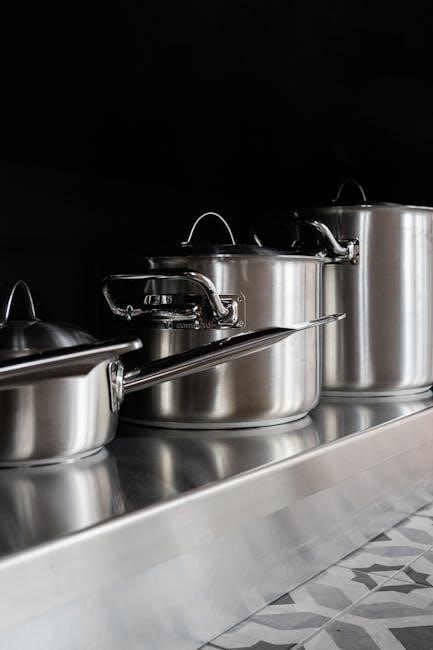
Your T-Fal pressure cooker consists of several key parts․ These include the main body, a secure-locking lid with pressure indicator, and a sealing ring ensuring a tight closure․ A pressure sensor monitors internal pressure, crucial for safe operation (especially models like the P3105231)․
Additional components often include a steam release valve, a float valve for pressure regulation, and carrying handles for safe maneuvering․ The Rapid Pro 12-in-1 models feature enhanced controls․ Familiarize yourself with each part’s function, as detailed in the manual for models P26106, P26146, and others․ Proper assembly is vital for safe and effective cooking․
Getting Started
Before first use, ensure all components are correctly assembled․ Understand the control panel and familiarize yourself with the various pressure release methods available․
Initial Setup and First Use
Prior to the initial operation of your T-Fal pressure cooker, a thorough setup is crucial for safe and effective cooking․ Begin by carefully removing all packaging materials and inspecting the unit for any visible damage․ Wash the removable parts – including the inner pot, steam release valve, and sealing ring – with warm, soapy water, then rinse and dry completely․
Ensure the sealing ring is properly seated within the lid to guarantee a secure seal․ Perform a water test by adding a cup of water to the inner pot, closing the lid, and selecting a short cooking time․ This verifies proper sealing and functionality․ Always refer to the specific instructions for your model (P26106, P26146, P3105231, etc․) for detailed guidance․ Familiarize yourself with the safety features before proceeding with your first recipe, like stuffed onions or a hearty stew!
Understanding the Control Panel
The T-Fal pressure cooker’s control panel, particularly on the Rapid Pro 12-in-1 model, offers a range of functionalities․ Key buttons typically include ‘Start,’ ‘Stop,’ ‘Pressure Level,’ ‘Timer,’ and pre-set program selections for various dishes like soups, stews, or even sweet treats like pears․ The display screen shows cooking time, pressure level, and status indicators․
Navigating the panel involves using the arrow buttons to adjust settings․ The ‘Timer’ function allows precise control over cooking duration․ Understanding the pre-set programs simplifies cooking common foods․ Refer to your specific model’s manual (P26106, P26146, P3105231) for a detailed explanation of each button and its corresponding function․ Proper control panel operation is essential for successful pressure cooking, whether preparing roast beef or a delicate clafoutis․
Pressure Release Methods
T-Fal pressure cookers utilize three primary pressure release methods: natural, quick, and cold water․ Natural release involves allowing the pressure to dissipate gradually after cooking, ideal for soups and stews to prevent splattering․ Quick release uses the pressure release valve, rapidly reducing pressure – suitable for vegetables, but caution is advised due to steam․
Cold water release (applicable to some models like P26106, P26146) involves running cold water over the lid, quickly lowering pressure․ Always follow safety precautions! Never force the lid open․ Understanding these methods is crucial for safe operation and optimal results, whether cooking stuffed onions, roast beef, or even fruit clafoutis․ Refer to your model’s manual (P3105231) for specific instructions․
Cooking with Your T-Fal Pressure Cooker
Explore diverse recipes – from stuffed onions and roast beef to soups, stews, and sweet dishes like pears and clafoutis! Pressure cooking offers speed and flavor․
Pressure Cooking vs․ Traditional Cooking
Pressure cooking dramatically reduces cooking times compared to conventional methods․ This is achieved by creating a sealed environment, increasing the boiling point of water․ Higher temperatures cook food faster, preserving more nutrients and flavors․ Traditional cooking relies on lower temperatures and longer durations, potentially diminishing nutritional value and resulting in tougher textures for certain foods․
T-Fal pressure cookers excel at tenderizing tougher cuts of meat, like those used in stews and roast beef, in a fraction of the time․ Furthermore, pressure cooking minimizes evaporation, concentrating flavors and requiring less liquid․ This makes it ideal for soups and dishes where a rich, intense taste is desired․ While traditional methods offer versatility, pressure cooking provides efficiency and often superior results for specific recipes․
Cooking Times for Common Foods
T-Fal pressure cookers significantly reduce cooking durations․ For example, dried beans, typically requiring hours on the stovetop, cook in approximately 25-30 minutes under pressure․ Tough cuts of beef, ideal for stews, become tender in 45-60 minutes, compared to 2-3 hours with traditional braising․
Vegetables cook even faster: potatoes take around 8-12 minutes, while carrots require just 5-7 minutes․ Poultry, like a whole chicken, can be cooked in 30-40 minutes․ These times are approximate and may vary based on the specific model and quantity of food․ Always consult recipe guidelines and adjust cooking times accordingly for optimal results․ Remember to factor in the time for pressure to build and release․
Recipes: Stuffed Onions & Roast Beef
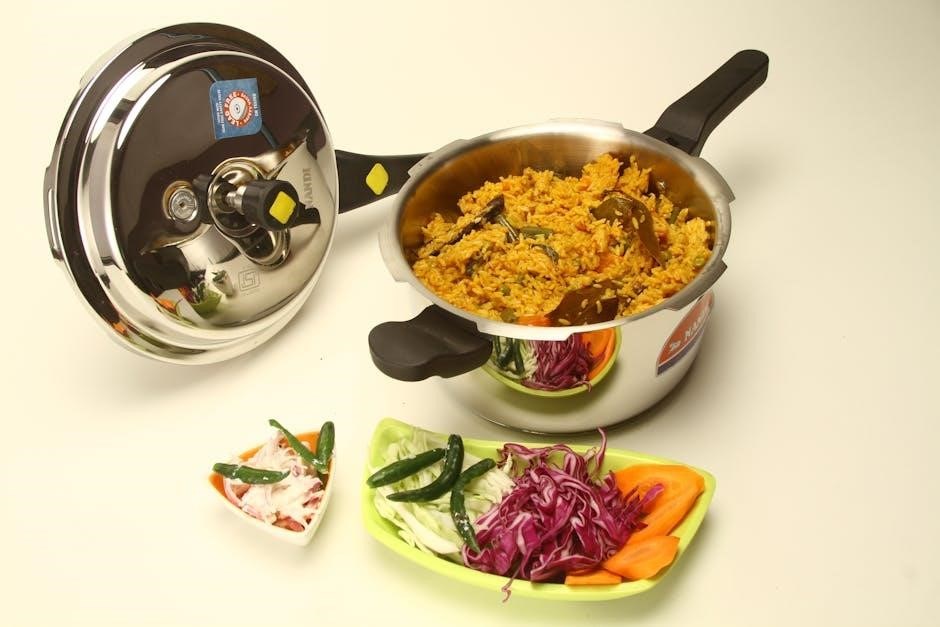
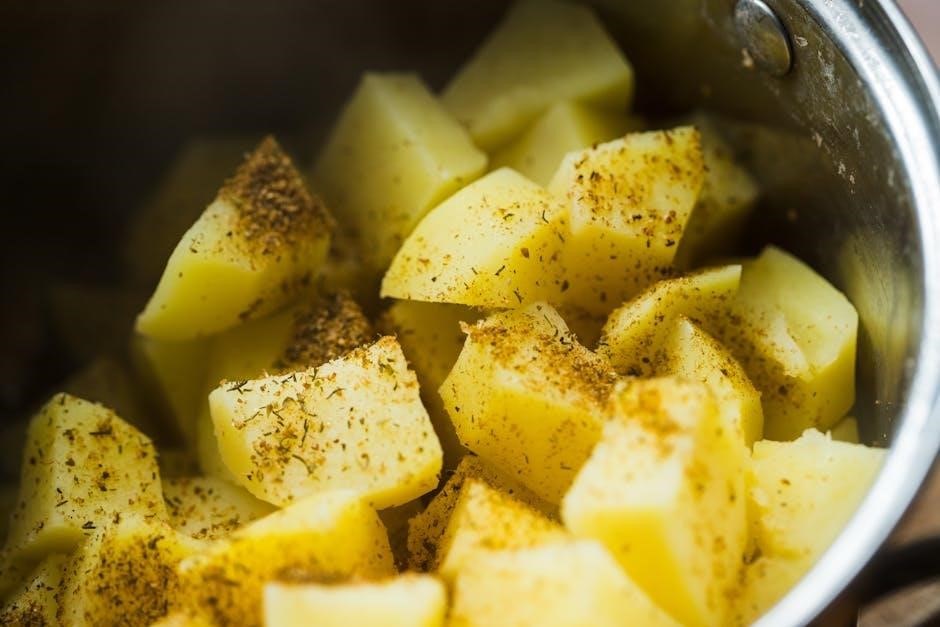
Experience flavorful dishes with your T-Fal! Try “Naughty Onions Stuffed With Potatoes,” a savory delight achievable with pressure cooking’s speed and efficiency․ The recipe utilizes the cooker’s ability to tenderize onions and perfectly cook the potato filling․
For a classic, Luisas Roast Beef with Mushrooms is a fantastic option․ The pressure cooker ensures a remarkably tender and juicy roast, infused with the rich flavors of mushrooms․ Sear the beef first for enhanced flavor, then pressure cook to perfection․ Both recipes benefit from the cooker’s sealed environment, locking in moisture and intensifying tastes․ Enjoy these quick and delicious meals!
Recipes: Soups & Stews
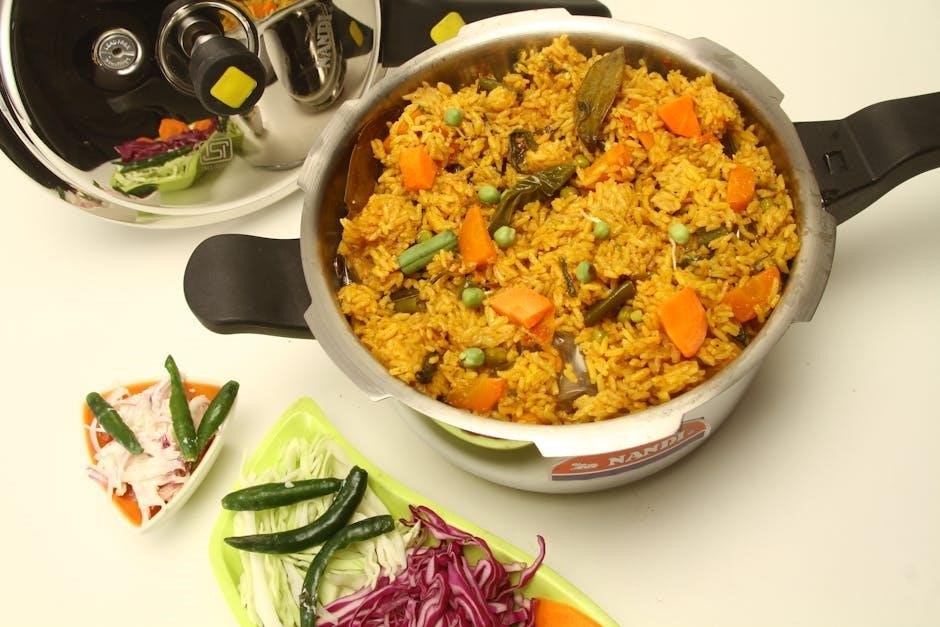
Your T-Fal excels at creating comforting soups and stews! Explore Linas Giant Meatball with Porcini Cream Sauce – a hearty and flavorful dish made easy with pressure cooking․ The sealed environment tenderizes the meatball and melds the creamy sauce beautifully․
For a unique experience, try Stinging Nettle Soup (Zuppa di Ortiche)․ This traditional recipe benefits from the quick cooking time, preserving the nettle’s nutrients and vibrant flavor․ Alternatively, enjoy a classic Red Wine Stewed Pears, a fruity and sweet option perfect for a cozy evening; The pressure cooker’s consistent heat ensures perfectly tender pears infused with rich wine flavors․
Recipes: Sweet Dishes (Pears, Clafoutis)
Indulge your sweet tooth with your T-Fal! Red Wine Stewed Pears offer a sophisticated dessert, quickly prepared under pressure for perfectly tender fruit infused with rich wine flavors․ This method intensifies the sweetness and creates a delightful sauce․
For a classic French treat, try Fruit Clafoutis․ While traditionally baked, a pressure cooker adaptation delivers a surprisingly similar result, offering a quicker path to this custard-like dessert․ Remember, when you don’t have cherries, other fruits work wonderfully! The pressure cooker ensures even cooking and a delicate texture․ Explore these sweet options for a delightful finish to any meal․
Operation & Features
T-Fal’s Rapid Pro boasts 12-in-1 functionality․ Utilize the timer, adjust pressure settings, and leverage features like the pressure sensor for optimal, convenient cooking․
Using the Timer Function
The T-Fal pressure cooker’s timer function allows for precise cooking control and delayed starts․ After selecting your desired cooking program and pressure level, utilize the timer buttons – typically labeled “Hour” and “Minute” – to set the cooking duration․ The display will show the remaining cooking time, counting down until completion․
This feature is particularly useful for meal prepping or when you want the cooker to automatically switch to “Keep Warm” mode after cooking․ Ensure the timer is accurately set to avoid under or overcooking․ Some models also offer a delay start function, enabling you to program the cooker to begin cooking at a later time․ Refer to your specific model’s manual for detailed instructions on utilizing these timer capabilities․
The 12-in-1 Functionality (Rapid Pro Model)
The T-Fal Rapid Pro model boasts impressive versatility with its 12-in-1 functionality․ Beyond standard pressure cooking, it functions as a slow cooker, rice cooker, steamer, sauté pan, yogurt maker, and more․ Dedicated pre-set programs simplify cooking common dishes like soups, stews, poultry, and fish․
This multi-functionality streamlines kitchen tasks, reducing the need for multiple appliances․ The intuitive control panel allows easy selection of desired functions and cooking parameters․ Explore the manual to fully understand each program’s capabilities and optimize your cooking experience․ Utilizing all 12 functions unlocks a world of culinary possibilities, making the Rapid Pro a truly comprehensive kitchen tool․
Adjusting Cooking Pressure
T-Fal pressure cookers often offer adjustable pressure settings, typically low and high․ Higher pressure cooks food faster, ideal for tougher cuts of meat or dense vegetables․ Lower pressure is suitable for delicate foods like fish or grains, preventing overcooking and maintaining texture․
Consult your model’s manual for specific pressure level details․ Understanding pressure adjustments is crucial for optimal results․ Experimenting with different settings allows you to tailor cooking times to your preferences and ingredients․ Always ensure the lid is securely locked before adjusting pressure․ Proper pressure control ensures safe and delicious meals every time․
Maintenance & Troubleshooting
Regular cleaning, sensor checks, and error code interpretation are vital․ Address issues like sensor malfunctions or error messages promptly for safe operation․
Cleaning Your Pressure Cooker
Thorough cleaning is essential for maintaining your T-Fal pressure cooker’s performance and longevity․ Always disconnect the appliance and allow it to cool completely before cleaning․ The inner pot is typically dishwasher safe, but hand washing is recommended to preserve its coating․ The lid, sealing ring, and steam release valve should be washed with warm, soapy water after each use, ensuring all food particles are removed․
Pay close attention to the pressure sensor area, gently cleaning it to prevent build-up․ Avoid abrasive cleaners or scouring pads, as these can damage the surfaces․ The exterior of the cooker can be wiped down with a damp cloth․ Regularly inspect the sealing ring for cracks or damage and replace it as needed to maintain a proper seal․ Proper cleaning prevents odors and ensures hygienic cooking․
Sensor Issues & Troubleshooting
T-Fal pressure cookers rely on a functional sensor for accurate pressure and temperature readings․ If you encounter issues, first ensure the sensor area is clean and free of debris – food particles can interfere with its operation․ Error codes related to the sensor often indicate a malfunction requiring attention․ Check the user manual for specific code definitions․
If cleaning doesn’t resolve the problem, a faulty sensor may need replacement․ Contact T-Fal customer support for assistance and potential repair options․ Avoid attempting to disassemble or repair the sensor yourself, as this could void the warranty and pose a safety risk․ A malfunctioning sensor can lead to inaccurate cooking times or prevent the cooker from pressurizing correctly․
Dealing with Error Codes
T-Fal pressure cookers utilize error codes to communicate issues․ These codes, displayed on the control panel, pinpoint the problem, ranging from lid sealing failures to sensor malfunctions․ Consult your specific model’s manual – P26106, P26146, or P3105231 – for a comprehensive list and explanation of each code․
Common errors include “E1” (lid not properly secured) or codes related to pressure sensor failures․ Attempting to resolve the issue often involves re-checking the lid, ensuring proper sealing, or restarting the cooker․ If the error persists, document the code and contact T-Fal customer support for further assistance․ Do not ignore error codes, as they indicate a potential safety concern․

Specific Models & Manuals
Find dedicated manuals for T-Fal models like P26106, P26146, P26246, and the P3105231 (22 Qt․)․ Access electric cooker manuals at tefal․com․
P26106, P26146, P26145, P26206, P26246 & P26245 Models
For owners of T-Fal pressure cooker models P26106, P26146, P26145, P26206, P26246, and P26245, understanding the Secure and Secure 5 functionalities is key․ These models support a diverse range of recipes, including stuffed onions, savory roast beef, and delightful fruit clafoutis․
Users seeking guidance often inquire about operation, particularly when acquiring units secondhand․ A common question revolves around locating a user manual, as these aren’t always included with pre-owned purchases․ Remember to prioritize safety – avoid touching hot surfaces and utilize the provided carrying handles․
These models are capable of creating flavorful soups like stinging nettle soup and hearty dishes like Linas’s Giant Meatball with Porcini Cream Sauce․ Proper usage ensures optimal performance and delicious results․
P3105231 (Polished Aluminum 22 Qt․) Manual
The T-fal P3105231, a 22-quart Polished Aluminum Pressure Cooker and Canner, requires careful attention to its specific instructions․ This model is designed for both pressure cooking and canning, offering versatility in the kitchen․ Users can find a comprehensive frequently asked questions (FAQ) section and the complete user manual available directly on the T-fal USA website (t-falusa․com)․
The manual details safe operation, proper cleaning procedures, and troubleshooting tips․ It’s crucial to understand the capacity limits and avoid overfilling․
Referencing the official documentation ensures optimal performance and longevity of your appliance․ Explore the resources to unlock the full potential of this robust pressure cooker and canner․
Electric Pressure Cooker Tefal Manuals
Tefal offers a range of electric pressure cookers, and accessing the correct manual is vital for safe and efficient operation․ Comprehensive user manuals and frequently asked questions (FAQs) are readily available on the official Tefal website (tefal․com)․ These resources cover various models, ensuring users can find specific guidance tailored to their appliance․
The manuals detail essential information, including cooking times, safety precautions, cleaning instructions, and troubleshooting steps․ Understanding the features, like the 12-in-1 functionality found in the Rapid Pro model, is key to maximizing its potential․
Always consult the official documentation for the most accurate and up-to-date information regarding your Tefal electric pressure cooker․
Advanced Considerations
Beyond basic use, understand T/T payments related to purchase, the pressure sensor’s role, and even the contextual relevance of T-distribution in statistical analysis․
Understanding T/T Payment Methods (Related to Purchase)
When acquiring a T-Fal pressure cooker, particularly internationally or from certain vendors, you might encounter T/T (Telegraphic Transfer) as a payment option․ T/T, also known as a wire transfer, involves directly transferring funds from your bank account to the seller’s bank account․ This method is generally considered secure, but requires careful attention to detail․
Verify the seller’s banking information meticulously – account name, number, bank name, and SWIFT/BIC code – to avoid errors․ Confirm the total amount, including any bank fees, before initiating the transfer․ T/T payments are often irreversible, so double-checking is crucial․ Some sellers may require a deposit upfront, with the remaining balance due upon shipment or delivery․ Always obtain proof of the transaction from your bank and retain it for your records․ Be cautious of unusually low prices or requests for payment to personal accounts, as these could indicate fraudulent activity․
The Role of the Pressure Sensor
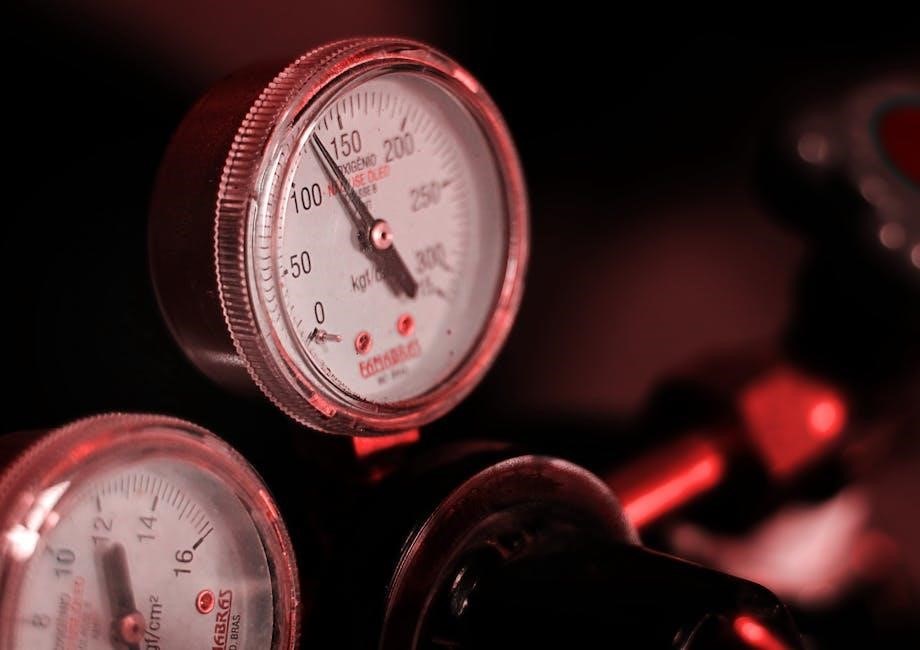
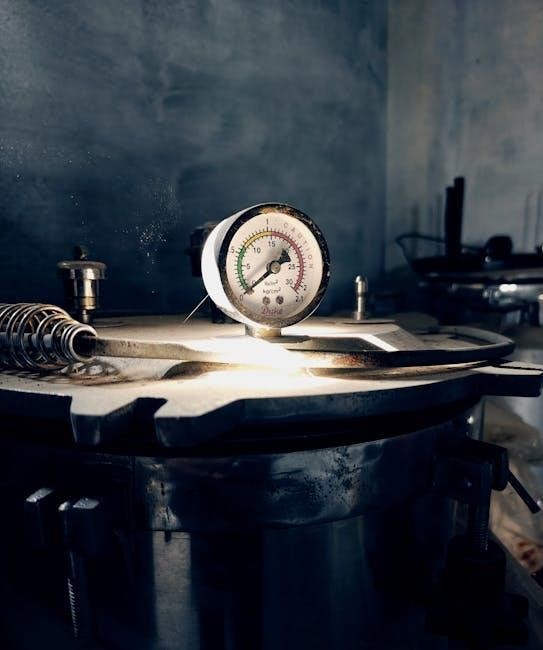
The pressure sensor is a critical component within your T-Fal pressure cooker, responsible for accurately monitoring the internal pressure during operation․ This sensor relays information to the control panel, enabling precise cooking and ensuring safety․ It detects pressure build-up and regulates the heating element to maintain the desired level, preventing over-pressurization․
If the sensor malfunctions, the cooker may display error codes or fail to operate correctly․ Troubleshooting often involves checking the sensor’s connection and, in some cases, replacement․ A faulty sensor can compromise cooking results and potentially pose a safety hazard․ Regular cleaning around the sensor area, as outlined in the manual, helps maintain its accuracy․ Understanding its function is key to safe and effective pressure cooking with your T-Fal appliance․
T-Distribution in Statistical Analysis (Contextual Reference)
While seemingly unrelated to cooking, the t-distribution, developed by William Sealy Gosset (“Student”), finds relevance when considering quality control in T-Fal pressure cooker manufacturing․ It’s used to analyze small sample sizes, crucial for testing sensor accuracy or material durability․ Gosset’s work addressed statistical inference with limited data – a common scenario in production testing․
Specifically, the t-distribution helps determine if variations in sensor readings fall within acceptable limits․ It’s applied to assess the mean performance of components, ensuring consistency across units․ Though not directly used by the cooker, it’s a foundational statistical tool employed during its creation․ Understanding this context highlights the rigorous processes behind reliable appliance production, ensuring consistent performance and safety for the consumer․

Lost your T-fal pressure cooker instructions? Find a clear, easy-to-follow manual here! Get cooking delicious meals quickly & safely. **T-fal pressure cooker** made simple!